Projects
Three of these projects are very much in progress. Those of An Aesthetic of the Shabby represent some seventy of a proposed 144, plus Epilogue, Synopses, Bibliography and Index; with the further complication that each new entry leads to subtle but inevitable changes to the existing order. Deaths of the Authors here comprises roughly 50 entries, with about the same number awaiting revision and infinite others contemplated. Under the Volcano is, for the moment, in stable form, but I have a motley collection of other things that might be added, and I am aware of a number of small errors that should be corrected. There are plans for other projects to be added, time and will permitting, including the strange history of Sweets of Sin, the shabby romance that Bloom brings home to Molly.
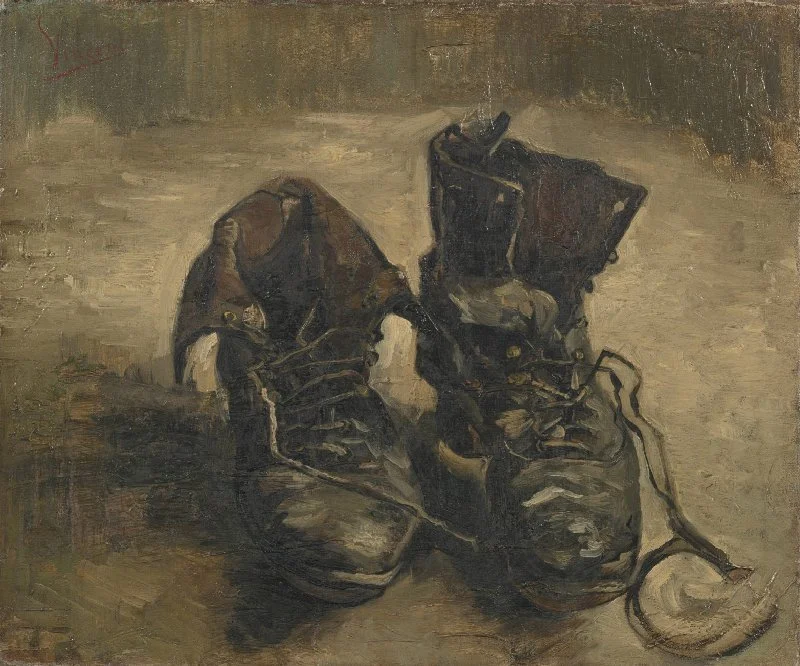
An Aesthetic of the Shabby
This project arose, after my retirement, from a number of interests: a lasting fascination with the Medieval roots of the Modernist aesthetic; the paradoxes arising from Samuel Beckett’s impulse to engage with the scientific and philosophical issues of his times from the perspectives of the past; the “absurdities, demented particulars and theological curiosities” at the heart of his religious scepticism; and the force of comedy as delineating the tragic predicament of human kind at the dawn of the Anthropocene. Beckett held four certainties: that we exist; that we were born; that we will die—and the fourth, irrational and indefensible, the need to express, to bear witness. I had no desire to write an autohagiography, but the deaths of my parents and passing family and friends brought home to me the sense of loss that went with them, and thus informed the wish to leave for my children and grandchildren some kind of testimony.
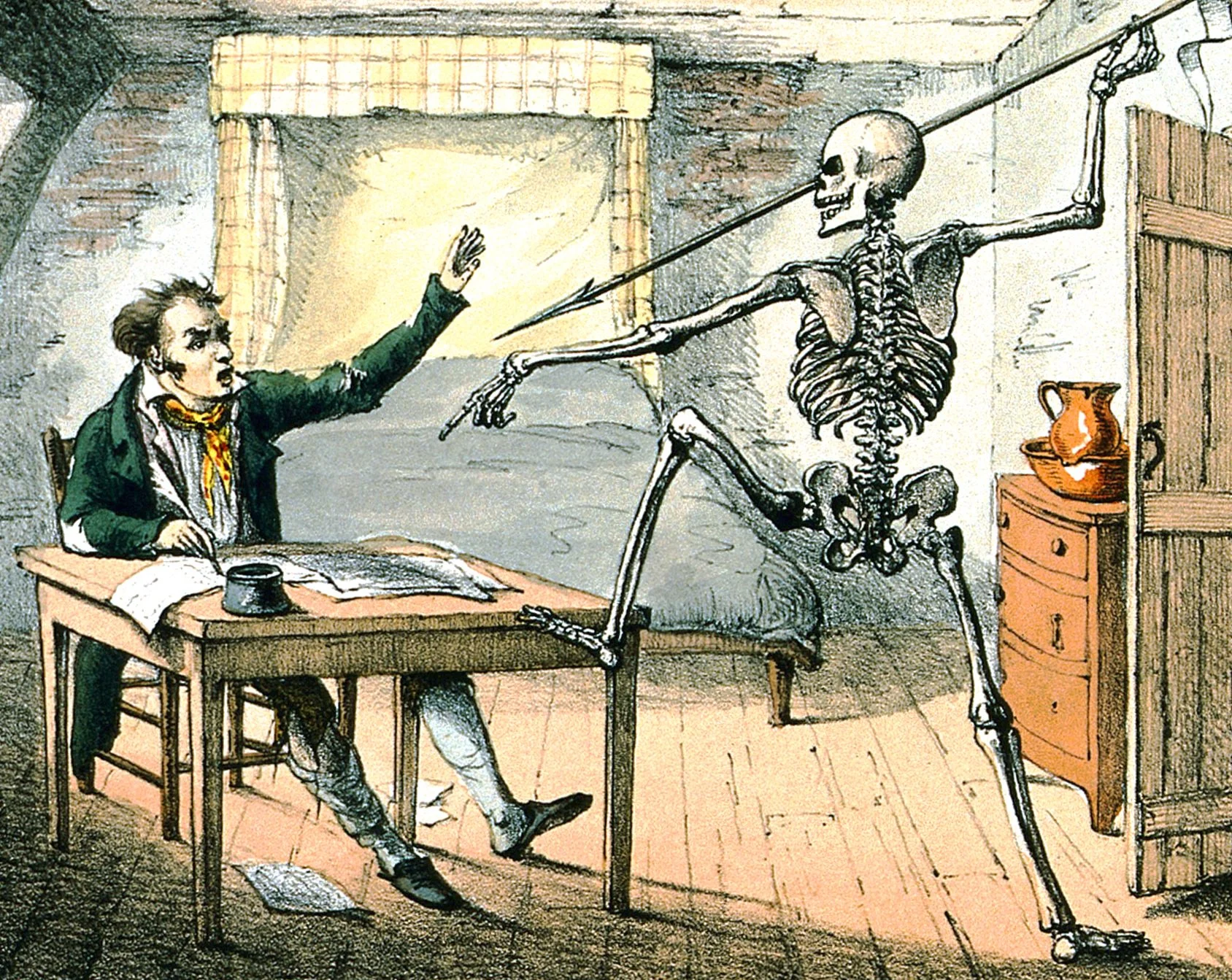
Deaths of the Authors
This on-going project (for in principle and practice there is no end to it) arose on the occasion of the retirement from the Department of English at the University of Otago of my ex-colleague, Bill Dean: alcoholic, chain-smoker, homosexual, nihilist, and worst of all Australian—who to this day is remembered by a dwindling number of his friends as the most remarkable, generous and beloved of lost souls. Rather than a festschrift to honour his departure I offered to edit a memorial volume of essays from amigos and associates, to be entitled Passing Strange, the defining thrust of which would be the curious affinities, be they elegiac or ironic, between the authors of choice and the circumstances of their passing. Some approached were horrified by the impiety, but most who knew Bill, friends home and abroad, responded with delight and ingenuity. Their fifty or so contributions are the nucleus of the present extended endeavour.
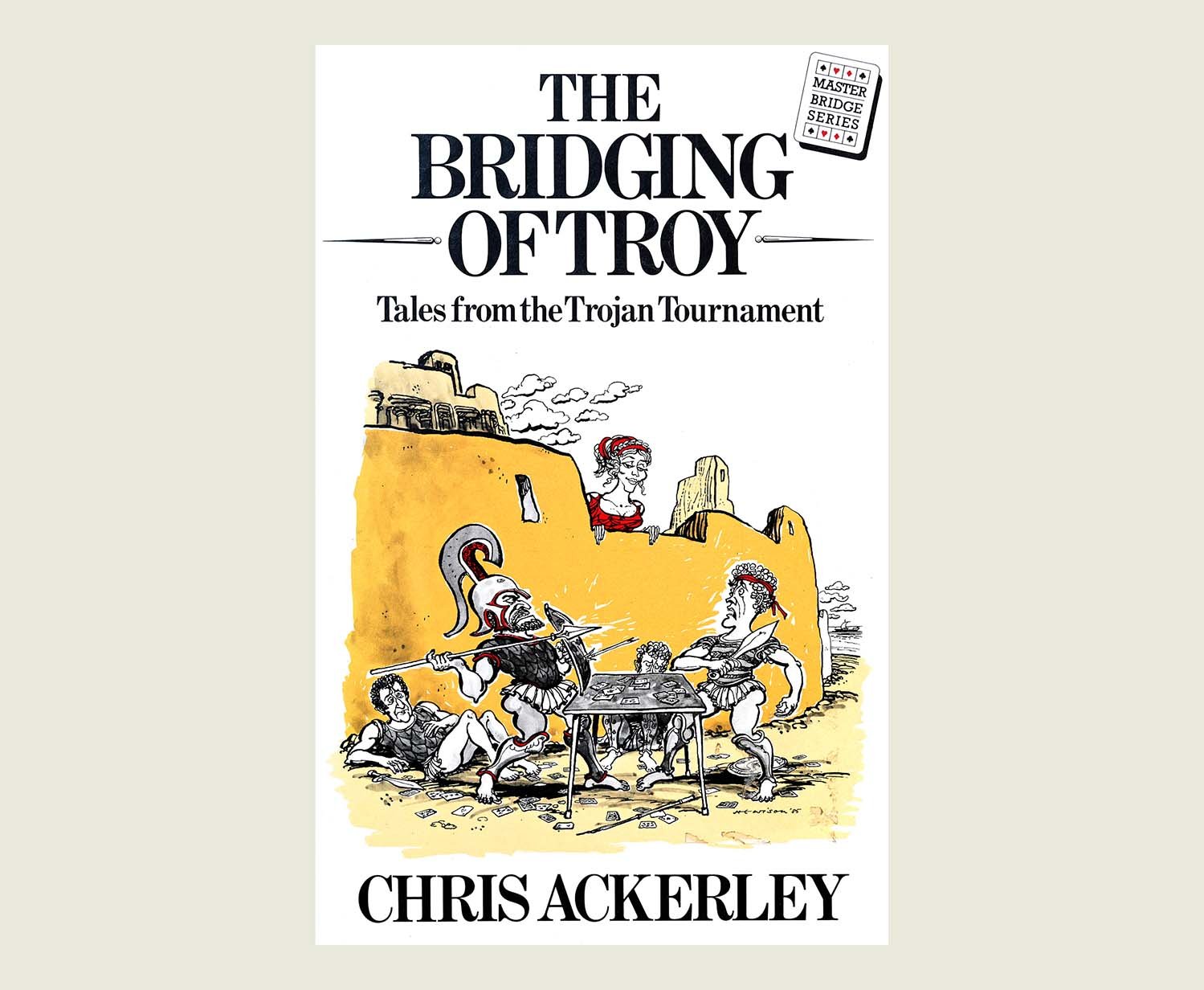
The Bridging of Troy
Bridge has been good to me. I learnt to play at University, and lacking the focus for quality chess I elected bridge, through which, home and abroad, I have made many friends and visited intriguing places. The book combines my love of bridge and literature. A bridge absurdity provoked 'Iphigenia's sacrifice'; the challenge was to present the hand as an encounter on the green baize table between the Greeks and Trojans. Gollancz accepted the manuscript with a caveat: it was likely, the Editor said, to become a classic, i.e., one that would gain more respect than profit. Like most Delphic prophecies this has come true, as the combination of bridge and literary expertise is rare; still, the advance paid for a trip to Greece and Turkey (the Parthenon, Gallipoli, and a grotesque Wooden Horse at Troy), and if some doughty deeds have faded in time their tales still read tolerably well.

A History of the Otago Bridge Club
My History of the Otago Bridge Club was written for the Club’s sixtieth anniversary (1996). Earlier attempts had been made to write such, their residua invaluable when I agreed, somewhat dubiously, to fail better (I was aware of vast tracts of time and the sheer plod it would take). A literary archivist rather than a historian, I dutifully consulted the centennial History of the University of Otago: scholarly, painstaking, earnest, ironically challenged and boring; all that mine (I resolved) would not be (“What is the use of a book,” thought Alice, “without pictures or conversations?”). This study contains some 250 pictures and photos, with stories retold if possible in the words of those who had lived them (the more scandalous hidden in the footnotes), to illustrate the paradox (Borges) that the best way to approximate the truths of history is through the fictions of literature.
Under the Volcano
Malcolm Lowry’s masterpiece, Under the Volcano (1947), laid the foundations of my academic career. In the early 1980s, needing to define a research plan for my first sabbatical, and fascinated by the pageant of Mexican history in the novel, I proposed an agenda that would take me, first, to the relatively recent Special Collection of Lowry materials at the University of British Columbia, and then to Mexico, to explore the literary terrain. I could not have made a better decision. The outcomes were: my first major publication, A Companion to Under the Volcano (Vancouver: UBC Press, 1984); an apprenticeship in the art of annotation that proved to be of inestimable value for the rest of my academic life; lasting friendships with other Lowry scholars all over the world; and future opportunities to work with them on major editing projects, such as the publication of Lowry’s “lost” novel, In Ballast to the White Sea (2014).